
Sustainability Commitment
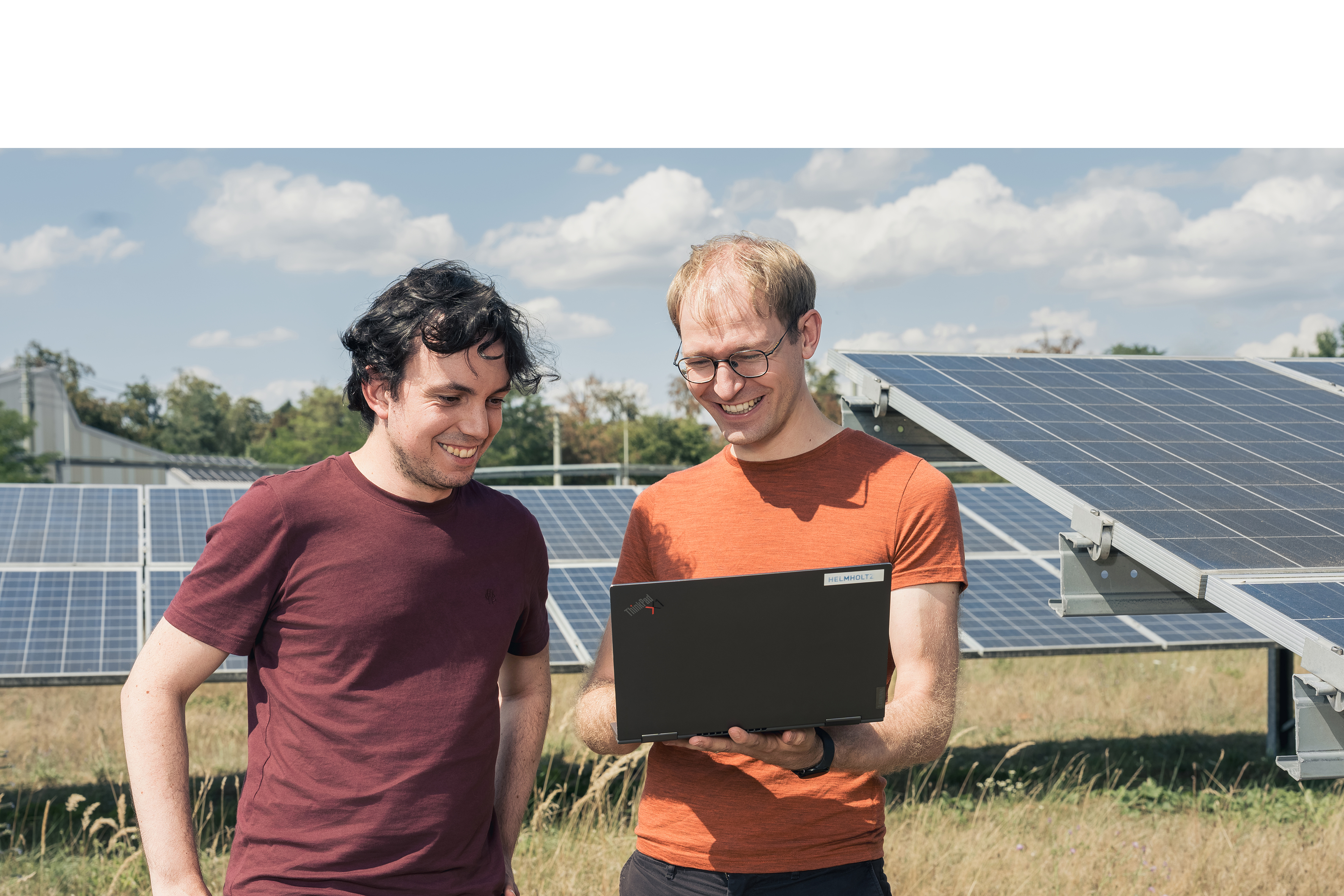
Our Commitment to Sustainability: Informatics driving the Twin Transformation
Sustainability encompasses ecological, economic, and social dimensions. It is also reflected in the United Nations Sustainable Development Goals (SDGs), which highlight the importance of climate action, resource conservation, circularity, pollution reduction, as well as social and economic justice. It refers to the ability to meet the needs of the present without compromising the ability of future generations to meet their own needs.
Informatics play a pivotal role in achieving sustainability goals—both by enabling more efficient and less resource-intensive solutions, and by supporting social sustainability through transparency, inclusivity, and resilience in digital systems. It is therefore a key enabler of the twin transformation, which links digitalization with sustainability as mutually reinforcing forces: (a) shaping digital transformation in a sustainable way, and (b) using digital approaches to accelerate and strengthen sustainability efforts.
For example, smart energy systems can reduce emissions, optimized traffic management can lower environmental impact, and trustworthy AI systems can improve decision-making in critical domains such as health, justice, and climate modeling.
At the KIT Department of Informatics, a wide range of research and teaching activities address sustainability challenges. These include, among others:
- Energy Informatics, where we develop intelligent, decentralized, and adaptive solutions for the energy transition and improved resource efficiency.
- Future Mobility, including research on autonomous systems and traffic optimization for lower emissions and increased safety.
- Harnessing AI responsibly, with a focus on fairness, dependability, and security of AI systems in sensitive application contexts.
- EReducing the energy and resource consumption of AI and large-scale computations, by developing more efficient algorithms, architectures, and hardware.
- IT Security, which is essential to safeguard infrastructure, protect privacy, and ensure the long-term trustworthiness of digital systems in increasingly interconnected and vulnerable societies.
These and many other activities reflect our commitment to shaping a sustainable digital society through impactful research and future-oriented teaching.
Further examples of ongoing research projects, faculty members involved, and relevant course offerings can be found here.